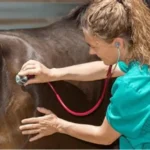


Safe stomach‑soothing supplements for horses prone to ulcers are designed to gently protect and calm the digestive tract, support a healthy gut lining, and help buffer excess stomach acid without relying on harsh ingredients. This explains how ulcer‑support supplements work, key ingredients to look for, and how to choose a safe, effective product for horses at higher risk of gastric discomfort. Whether your horse is in hard work, travels frequently, lives in a busy yard, or has a history of ulcers, the right daily support can help maintain a more comfortable, settled digestive system.
Horses are naturally “trickle feeders,” with small amounts of forage meant to move through the gut almost constantly. Modern management—limited turnout, meal feeding, high concentrates, travel, and competition stress—can leave the stomach empty for longer periods, allowing acid to irritate the delicate upper stomach lining. Common signs of gastric discomfort or ulcer risk include girthiness, irritability when being tacked up, poor appetite, weight loss, dull coat, mild colic episodes, and changes in attitude under saddle. Safe stomach‑soothing supplements aim to support the mucosal lining, help manage acid levels, and promote overall gut comfort, especially during these higher‑risk situations.
The best stomach‑soothing supplements for ulcer‑prone horses usually combine physical coating agents, buffers, and gut‑supportive ingredients. Common soothing compounds include pectin, lecithin, slippery elm, marshmallow root, aloe vera, and seaweed derivatives, which help form a protective layer over the stomach lining and support normal mucus production. Antacid and buffering ingredients, such as calcium carbonate, magnesium hydroxide, and other gentle mineral complexes, can help neutralize excess stomach acid, particularly around mealtimes and exercise. Together, these ingredients work to create a calmer, less acidic environment in the stomach.
Many modern gut supplements also focus on the hindgut, which plays a major role in overall digestive health and behavior. Prebiotics, probiotics, and yeast cultures support a balanced hindgut microbiome, helping stabilize digestion, reduce gas, and improve fiber breakdown. Ingredients like glutamine and specific amino acids may be added to support the integrity of the intestinal lining, while certain herbs (such as chamomile or licorice root) can provide additional soothing effects. A well‑designed product for ulcer‑prone horses targets both the stomach and the hindgut for comprehensive digestive comfort.
Safety is critical when choosing a stomach‑soothing supplement for horses prone to ulcers. Look for products that are free from excessive sugars, molasses, and harsh irritants, as high sugar and starch can worsen gut issues in sensitive horses. The label should clearly list all ingredients and their amounts, without vague “proprietary blends” hiding what’s inside. Avoid supplements that rely heavily on strong essential oils, stimulating herbs, or very high levels of sodium bicarbonate without clear dosing guidance, as these may not be suitable for all horses long term.
Form and timing have a big impact on effectiveness. Stomach‑soothing supplements for ulcer‑prone horses are available as powders, pellets, pastes, and liquids. Many owners use a combination: a daily powder or pellet for ongoing support and a fast‑acting paste before travel, competitions, or stressful events. Some products are designed to be given 30–60 minutes before work or transport, forming a protective “raft” in the stomach, while others are fed twice daily with meals for continuous support. Following the manufacturer’s instructions on timing and dosage is essential for getting the intended protective effect.
These supplements work best when combined with ulcer‑friendly management. Maximizing turnout, offering forage almost constantly (or at least minimizing long gaps without hay), and feeding a small chaff or haynet before exercise help keep the stomach less empty and less acidic. Reducing unnecessary stress, avoiding sudden feed changes, feeding lower‑starch concentrates, and using slow feeders where possible all support a healthier digestive tract. When these management strategies are paired with a safe, stomach‑soothing supplement, ulcer‑prone horses are more likely to stay comfortable and maintain appetite, weight, and performance.
Horses in regular training, especially those that travel, compete often, or are stabled for many hours, are prime candidates for daily stomach support. Many owners of competition horses, racehorses, and high‑energy sport horses find that gut‑support supplements help keep horses more relaxed at feed time, less fussy with girthing, and more consistent in work. Horses with a history of ulcers, or those coming off a course of veterinary ulcer treatment, often benefit from ongoing nutritional support to help maintain the results and reduce the risk of recurrence during stressful periods.
It’s important to remember that supplements cannot replace proper veterinary diagnosis and medical treatment for active ulcers. If your horse shows clear signs of gastric pain—such as recurrent mild colic, grinding teeth, lying down more than usual, very poor appetite, or sharp behavior changes—contact your veterinarian promptly. Only a vet can definitively diagnose gastric ulcers via gastroscopy and prescribe appropriate medications such as omeprazole. Stomach‑soothing supplements are most effective as a supportive measure before, during, and after medical treatment, and as part of a long‑term prevention strategy.
Safe stomach‑soothing supplements for horses prone to ulcers give owners a proactive way to care for the digestive system of sensitive horses, especially those facing modern performance and management stresses. By choosing a well‑formulated, low‑sugar product with proven soothing and buffering ingredients, feeding it consistently at the right times, and combining it with thoughtful management, you can help your horse stay more comfortable, willing, and rideable. From high‑level competitors to everyday riding partners, ulcer‑prone horses can benefit greatly from targeted stomach support that respects both their health and their natural digestive design.