
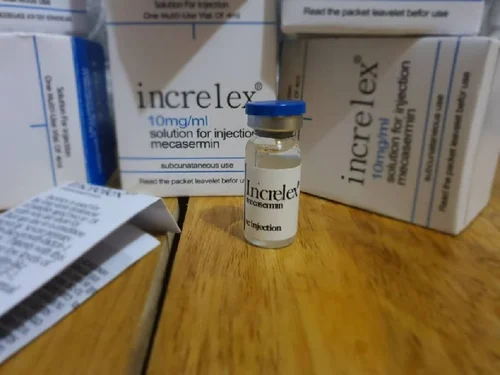


Buy Increlex Injection 10mg/mL Online – Advanced Mecasermin Prescription Therapy
Increlex Injection 10mg/mL is the brand name for mecasermin, a recombinant human insulin-like growth factor-1 (IGF-1) product. In the United States, FDA-approved Increlex is a prescription medicine indicated for the treatment of growth failure in pediatric patients 2 years of age and older who have severe primary IGF-1 deficiency or growth hormone gene deletion with neutralizing antibodies to growth hormone.
The FDA lists Increlex as a 40mg/4mL (10mg/mL) solution supplied in a multidose vial for subcutaneous administration. It is a specialized prescription biologic and should be used only under appropriate specialist medical supervision.
What Is Increlex Injection 10mg/mL?
Increlex Injection 10mg/mL contains mecasermin, a recombinant form of human IGF-1. IGF-1 is an important hormonal mediator involved in normal childhood growth. The FDA-approved indication is specifically for pediatric patients with severe primary IGF-1 deficiency or certain cases involving growth hormone gene deletion and neutralizing antibodies to growth hormone.
Increlex is not a general-purpose growth enhancer and is not a substitute for growth hormone in conditions for which growth hormone is approved.
Product Overview
| Product Detail | Information |
|---|---|
| Product | Increlex Injection |
| Active ingredient | Mecasermin |
| Strength | 10mg/mL |
| Presentation | 40mg/4mL multidose vial |
| Drug type | Recombinant human IGF-1 |
| Route | Subcutaneous |
| FDA status | Prescription biologic |
| Approved population | Pediatric patients 2 years and older meeting specific criteria |
Table of Contents
- What Is Increlex Injection 10mg/mL?
- What Is Mecasermin?
- FDA-Approved Use
- How Increlex Works
- Dosage and Administration
- Important Safety Information
- Contraindications
- Side Effects and Monitoring
- Storage and Handling
- Where To Buy Increlex Injection 10mg/mL Online
- Frequently Asked Questions
What Is Mecasermin?
Mecasermin is recombinant human IGF-1. The FDA labeling describes the molecule as having an amino-acid sequence identical to endogenous human IGF-1.
IGF-1 plays a central role in the body’s growth signaling pathways. Under normal physiological conditions, growth hormone stimulates production of IGF-1 in the liver and other tissues.
Increlex provides recombinant IGF-1 directly and is therefore reserved for specific medical circumstances rather than routine supplementation.
FDA-Approved Use
The FDA-approved indication for Increlex Injection 10mg/mL is treatment of growth failure in pediatric patients aged 2 years and older with severe primary IGF-1 deficiency or with growth hormone gene deletion who have developed neutralizing antibodies to growth hormone.
The medicine is not approved simply because a child is shorter than average. Diagnosis of the underlying growth disorder and assessment by an appropriate specialist are essential.
How Increlex Works
Mecasermin acts through the IGF-1 pathway. IGF-1 binds to the type 1 IGF-1 receptor and participates in signaling processes involved in growth and development.
Because IGF-1 has insulin-like metabolic effects, Increlex can also lower blood glucose. This is a major safety consideration when treatment is initiated and during dose adjustments.
Increlex Injection 10mg/mL Dosage and Administration
The FDA prescribing information states that Increlex is administered subcutaneously. Injection sites should be rotated to reduce the risk of lipohypertrophy.
The FDA-labeled starting dosage is 0.04mg/kg to 0.08mg/kg twice daily, with dose increases based on tolerance up to a maximum of 0.12mg/kg twice daily. This information is provided for identification of the approved regimen and should not be used to self-prescribe or alter treatment.
Increlex should be administered shortly before or after a meal or snack because of its insulin-like hypoglycemic effect. It should not be administered when the meal or snack is omitted.
Important Safety Information
One of the most important risks associated with Increlex Injection 10mg/mL is hypoglycemia. Severe hypoglycemia, including hypoglycemic seizures, has been reported.
Other important warnings include:
- Hypersensitivity reactions
- Anaphylaxis
- Intracranial hypertension
- Lymphoid tissue hypertrophy
- Slipped capital femoral epiphysis
- Progression of preexisting scoliosis
- Malignant neoplasia concerns
These risks are why Increlex requires careful medical supervision.
Contraindications
According to the current FDA prescribing information, Increlex is contraindicated in patients with:
- Known hypersensitivity to mecasermin
- Closed epiphyses
- Malignant neoplasia
The product should only be used in the population and circumstances for which it has been prescribed.
Side Effects and Monitoring
Common adverse reactions reported in clinical trials include hypoglycemia, local or systemic hypersensitivity and tonsillar hypertrophy.
Medical monitoring may be required during treatment, particularly when establishing a well-tolerated dose.
Parents and caregivers should understand the symptoms of low blood glucose and follow the prescribing clinician’s instructions concerning meals, glucose monitoring and treatment of hypoglycemia.
Storage and Handling
Increlex should be stored according to the current manufacturer’s prescribing information and pharmacy instructions.
Before using a vial, verify:
- Product name
- Mecasermin concentration
- Expiration date
- Vial integrity
- Storage conditions
- Prescription labeling
Do not use a vial that appears damaged, contaminated or improperly stored.
Where To Buy Increlex Injection 10mg/mL Online
If you are looking to Buy Increlex Injection 10mg/mL Online, it is important to purchase through a legitimate, appropriately licensed pharmacy or healthcare channel because Increlex is an FDA-approved prescription biologic. The FDA identifies the product as Increlex (mecasermin), 40mg/4mL (10mg/mL), supplied as a multidose vial.
For Global Vet Meds, it is important to note that Increlex is a human prescription medicine, not a routine veterinary product. Customers should follow the prescribing clinician’s instructions and applicable pharmaceutical regulations.
Before purchasing, verify:
- Increlex Injection 10mg/mL
- Mecasermin as the active ingredient
- 40mg/4mL presentation
- Legitimate manufacturer or authorized supplier
- Prescription requirements
- Expiration date
- Storage conditions
- Authentic packaging
International customers should also check importation and prescription requirements in their jurisdiction.
Who Should Not Receive INCRELEX?
A child should not receive INCRELEX if they are allergic to mecasermin or any of the ingredients in the medicine, have completed their growth, have cancerous tumors or growths, or have a history of cancer. INCRELEX should not be administered through a vein and should only be given by the prescribed subcutaneous route.
What Should I Tell My Child’s Doctor Before Starting INCRELEX?
Before treatment begins, tell your child’s doctor about all existing medical conditions, including diabetes, scoliosis, or any other relevant health concerns. You should also provide a complete list of all prescription and over-the-counter medicines, vitamins, and herbal supplements your child is taking. In particular, inform the doctor if your child uses insulin or other medicines that affect blood sugar, as treatment adjustments may be necessary.
What Are the Possible Side Effects of INCRELEX?
INCRELEX can cause side effects, including some that may require immediate medical attention. The most important potential reactions include hypoglycemia, allergic reactions, increased intracranial pressure, enlarged tonsils, orthopedic complications, progression of scoliosis, tumor growth, and risks associated with benzyl alcohol in infants.
Low Blood Sugar (Hypoglycemia)
INCRELEX can lower blood glucose levels. It should be administered approximately 20 minutes before or 20 minutes after a meal or snack, according to the prescribing healthcare professional’s instructions. It should not be administered if the child is unable to eat.
Possible symptoms of hypoglycemia include dizziness, tiredness, restlessness, hunger, irritability, difficulty concentrating, sweating, nausea, and a fast or irregular heartbeat.
Severe hypoglycemia can cause seizures, loss of consciousness, or other serious complications. Parents and caregivers should receive appropriate instructions about recognizing and managing low blood sugar. If a child becomes unresponsive or cannot safely consume a sugar-containing food or drink, seek emergency medical assistance immediately.
Allergic Reactions
Allergic or hypersensitivity reactions may occur following INCRELEX administration. Contact the child’s healthcare professional promptly if a rash or hives develops.
If the child experiences difficulty breathing, severe dizziness, fainting, or other symptoms of a serious allergic reaction, discontinue treatment and seek immediate medical attention.
INCRELEX may also cause injection-site reactions, including pain, redness, bruising, loss of fatty tissue, or an increase in fatty tissue at the injection site.
Increased Pressure in the Brain
INCRELEX may be associated with increased pressure within the skull, also known as intracranial hypertension.
Potential symptoms include persistent headache, nausea, and vomiting. The treating healthcare professional may recommend appropriate examinations, including eye examinations, at the beginning of treatment and periodically thereafter.
Enlarged Tonsils
INCRELEX may cause enlargement of tonsils or other lymphoid tissue. Signs may include snoring, difficulty breathing, sleep apnea, or problems associated with fluid in the middle ear.
Any persistent breathing or sleep-related symptoms should be discussed with the child’s healthcare professional.
Slipped Capital Femoral Epiphysis
Slipped capital femoral epiphysis is an orthopedic condition in which the upper portion of the femur becomes displaced. It can potentially lead to serious complications.
Seek prompt medical attention if a child receiving treatment develops a limp or experiences hip or knee pain.
Progression of Scoliosis
Rapid growth may contribute to progression of scoliosis in some children. Children with a history of scoliosis should therefore receive appropriate monitoring from their healthcare professional during treatment.
Tumor Growth and Malignant Neoplasia
Cancerous tumors have been reported in pediatric patients who received INCRELEX. A direct causal relationship between INCRELEX treatment and the development of new tumors has not been established.
Tumors have been reported more frequently in individuals with certain genetic conditions associated with increased cancer risk or in patients who already had risk factors for malignancy.
Healthcare professionals should monitor patients appropriately during treatment. If malignant neoplasia develops, INCRELEX treatment should be discontinued according to the prescribing information.
Benzyl Alcohol and Infants
Certain INCRELEX formulations contain benzyl alcohol as a preservative. Benzyl alcohol-preserved medicines can cause serious and potentially fatal adverse reactions in neonates and infants.
INCRELEX is not recommended for use in infants.
Common Adverse Reactions
The most common adverse reactions associated with INCRELEX include:
- Low blood sugar (hypoglycemia)
- Injection-site reactions
- Hypersensitivity or allergic reactions
- Enlarged tonsils
This list does not include every possible adverse reaction. Parents and caregivers should contact the child’s healthcare professional if symptoms are persistent, severe, or concerning.
How Should My Child Receive INCRELEX?
The appropriate INCRELEX dose is individualized for each child. The prescribing doctor determines the dose based on factors such as body weight, age, growth, tolerability, and clinical response.
Parents and caregivers should follow the exact administration instructions provided by the healthcare professional and the official patient information. INCRELEX is administered by subcutaneous injection and should not be administered intravenously.
Regular medical appointments are important so that the child’s growth, weight, treatment response, and tolerability can be evaluated.
What You Should Know About INCRELEX Dosing
The prescribing healthcare professional determines the appropriate dose and any necessary adjustments. Regular measurement of the child’s weight and height can help the physician assess whether the current treatment remains appropriate.
The dosage should never be increased independently or changed to compensate for a missed dose.
Because INCRELEX has insulin-like effects that can lower blood glucose, it should be administered in relation to a meal or snack according to the prescribing information. If the child cannot eat as directed around the scheduled administration time, the dose should not be given unless the treating healthcare professional provides different instructions.
If a dose is missed, do not administer an additional dose to compensate.
Monitoring During Treatment
Regular monitoring is an important part of INCRELEX therapy. The child’s healthcare professional may periodically assess:
- Height and growth rate
- Body weight
- Treatment tolerability
- Blood glucose
- Clinical response
- Signs of intracranial hypertension
- Tonsillar or lymphoid tissue enlargement
- Orthopedic symptoms
- Scoliosis progression
- Other clinically relevant adverse effects
Parents and caregivers should maintain regular follow-up appointments and report significant changes in the child’s health, growth, weight, or symptoms.
Indication for INCRELEX
INCRELEX (mecasermin) is a prescription medicine used in children 2 years of age and older with short stature associated with severely low levels of insulin-like growth factor-1 (IGF-1). IGF-1 is an important hormone involved in normal growth.
INCRELEX is not a substitute for growth hormone and is not indicated for short stature caused by low growth hormone levels, malnutrition, inadequate thyroid hormone production, or the use of anti-inflammatory corticosteroids.
Important Safety Information
INCRELEX should always be administered exactly as directed by the prescribing healthcare professional. It should be administered under the skin and not directly into a blood vessel.
Treatment should not be used after growth plates have closed and should not be used in children with cancerous tumors or a history of cancer.
Because hypoglycemia is an important safety concern, INCRELEX should be administered in relation to food as directed by the prescribing healthcare professional and should not be given when the scheduled meal or snack is skipped.
Patients and caregivers should carefully follow the official prescribing information and seek professional medical advice regarding any questions about dosing, administration, side effects, or treatment monitoring.
Frequently Asked Questions
What is Increlex Injection 10mg/mL?
Increlex Injection 10mg/mL is a prescription medicine containing mecasermin, a recombinant human IGF-1 product. It is FDA-approved for specific pediatric growth disorders involving severe primary IGF-1 deficiency or certain growth hormone gene-deletion cases.
What is the active ingredient in Increlex?
The active ingredient is mecasermin, recombinant human insulin-like growth factor-1 (IGF-1).
What strength is Increlex?
The FDA-listed product contains 10mg of mecasermin per mL, supplied as a 40mg/4mL multidose vial.
Is Increlex a growth hormone?
No. Increlex contains IGF-1 rather than growth hormone. The FDA specifically states that Increlex is not a substitute for growth hormone for approved growth-hormone indications.
Who can use Increlex?
The FDA-approved population consists of pediatric patients aged 2 years and older with severe primary IGF-1 deficiency or growth hormone gene deletion who have developed neutralizing antibodies to growth hormone.
What is the dosage of Increlex 10mg/mL?
The FDA-labeled starting dosage is 0.04–0.08mg/kg twice daily, with titration up to 0.12mg/kg twice daily when appropriate and tolerated. A prescribing clinician must determine the actual dose for an individual patient.
Is Increlex safe to use without medical supervision?
No. Increlex can cause significant hypoglycemia and other serious adverse reactions and should be used under appropriate medical supervision.
- Buy Increlex Injection 10mg/mL Online – Trusted Effective IGF-1 Therapy
- Buy Increlex Injection 10mg/mL Online – Proven Specialized Growth Support
- Buy Increlex Injection 10mg/mL Online and learn about mecasermin, FDA-approved indications, formulation, safety information, administration and prescription requirements.
- Discover Increlex Injection 10mg/mL, a prescription mecasermin product for specific pediatric growth disorders, with professional information on dosage, safety and storage.
Unveiling a Growth Revolution of Increlex
Increlex (mecasermin) is a prescription medication that contains recombinant human insulin-like growth factor-1 (IGF-1). It is used for the treatment of a rare medical condition known as growth hormone insensitivity syndrome (GHIS), also referred to as insulin-like growth factor-1 deficiency (IGFD).
Generic Name: Mecasermin
Brand name: Increlex
GHIS is a genetic disorder characterized by a lack of response to growth hormone (GH), which leads to short stature and poor growth in affected individuals. Normally, GH is produced by the pituitary gland and stimulates the production of IGF-1 in the liver. IGF-1 plays a crucial role in promoting the growth and development of bones, muscles, and other tissues.
However, individuals with GHIS have a defect in the GH receptor or related signaling pathways, which results in reduced production of IGF-1 and impaired growth. Increlex, being a form of recombinant IGF-1, can help address this deficiency and promote linear growth in children with GHIS.
Key points about Increlex:
Indication: Increlex is indicated for the long-term treatment of children with growth failure due to severe primary IGF-1 deficiency (GHIS/IGFD) or with GH gene deletion who have developed neutralizing antibodies to GH.
Administration: Increlex is administered by subcutaneous (under the skin) injection. It is usually given once or twice daily, depending on the specific treatment plan recommended by the healthcare provider.
Monitoring: Regular monitoring of growth and IGF-1 levels is essential to adjust the dose and ensure optimal treatment outcomes.
Adverse Effects: Like any medication, Increlex can have side effects. Common side effects may include injection site reactions, headaches, and low blood sugar (hypoglycemia). Your doctor will monitor for these and other potential side effects.
Contraindications: Increlex should not be used in individuals with a known hypersensitivity to mecasermin or any of its components.
Usage in Athletes: It’s important to note that IGF-1, including Increlex, has been abused by some athletes and bodybuilders for its potential to enhance muscle growth and performance. However, such use is not approved and can lead to serious health risks.
Global Vet Meds: Your Trusted Online Source for Increlex
Global Vet Meds, your premier destination for purchasing Increlex online. We understand the importance of reliable and convenient access to quality medications for your pet’s health needs. Whether you’re seeking Increlex to address growth hormone deficiencies or other veterinary requirements, we’re here to ensure a seamless and secure shopping experience.
Why Choose Global Vet Meds for Increlex?
Trusted Expertise: With years of experience in the veterinary pharmaceutical industry, we are your knowledgeable partner in animal health.
Authenticity Guaranteed: Our Increlex products are sourced directly from reputable manufacturers, ensuring authenticity and effectiveness.
Convenience at Your Fingertips: Our user-friendly online platform allows you to buy Increlex from the comfort of your home, eliminating the hassle of traditional pharmacy visits.
Increlex for sale today from Global Vet Meds:
Elevate your pet’s well-being with Increlex from Global Vet Meds. Browse our selection, place your order, and rest assured that you’re providing the best care for your furry companion’s health and growth needs.
Please note that Increlex is a prescription medication, and you should consult a qualified veterinarian before administering it to your pet. Global Vet Meds encourages responsible and informed pet healthcare decisions.
Results With INCRELEX
In clinical studies, the average rate of growth, also referred to as height velocity, increased to approximately 8 cm per year during the first year of treatment, compared with a baseline rate of approximately 2.8 cm per year. The increase in height during the first year compared with baseline was statistically significant (P < 0.0001).
During years 2 through 6 of treatment, the average rate of growth was sustained at approximately 5 cm per year.
Patients experienced an increased rate of height growth without a corresponding increase in the rate of chronological bone-age advancement. Bone age is used to assess the degree of skeletal maturation.
Forty-nine subjects were included in an analysis evaluating the effects of INCRELEX on bone-age development. The mean ± SD change in chronological age was 4.9 ± 3.4 years, while the mean ± SD change in bone age was 5.3 ± 3.4 years.
INCRELEX and Statural Growth
Clinical trial data showed that INCRELEX improved statural growth in patients diagnosed with severe primary IGF-1 deficiency. However, individual responses to treatment may differ.
Parents and caregivers can support ongoing treatment monitoring by regularly recording their child’s height and weight. Changes in height and weight should be discussed with the child’s healthcare professional because these measurements may help determine whether the prescribed INCRELEX dose needs adjustment.
Growth Rate With INCRELEX Over 8 Years
Clinical data have evaluated growth rates in children receiving INCRELEX over an extended treatment period.
The clinical trial included 71 children with severe primary IGF-1 deficiency, with children older than 2 years eligible for enrollment. The mean age at baseline, before treatment, was 7.8 ± 4.5 years. Pretreatment height-velocity information was available for 58 patients and was used for comparison with growth during treatment.
The number of patients evaluated varied for each year of therapy.
Understanding INCRELEX Dose Adjustment
Regular monitoring of body weight and treatment tolerability is important when determining the appropriate INCRELEX dose.
Because dosing is individualized, parents and caregivers should inform the child’s healthcare professional if there are significant changes in weight. The treating physician will determine whether the prescribed dose needs to be adjusted.
INCRELEX should always be administered exactly as prescribed, and the dose should not be changed without guidance from the treating healthcare professional.
Indication for INCRELEX
INCRELEX (mecasermin) is a prescription medicine used in children 2 years of age and older with short stature associated with severely low levels of insulin-like growth factor-1 (IGF-1). IGF-1 is an important hormone involved in normal growth.
INCRELEX is not a substitute for growth hormone and is not indicated for short stature caused by low growth hormone levels, malnutrition, inadequate thyroid hormone production, or the use of anti-inflammatory corticosteroids.
Important Safety Information
INCRELEX should always be administered exactly as directed by the prescribing healthcare professional.
Do not use INCRELEX in patients with a known allergy to IGF-1 or any of the other ingredients in the product. Any suspected allergic reaction should be reported promptly to a healthcare professional.
INCRELEX is administered by subcutaneous injection, meaning it is injected under the skin. It should not be injected directly into a blood vessel.
INCRELEX should not be used after the growth plates have closed, which generally occurs during puberty. It should also not be used in children with cancerous tumors or a history of cancer.
Hypoglycemia and INCRELEX
Hypoglycemia, or low blood sugar, is an important potential adverse effect of INCRELEX.
INCRELEX should be administered in relation to a meal or snack as directed by the prescribing healthcare professional, and it should not be administered when the scheduled meal or snack is skipped.
Symptoms of low blood sugar can include dizziness, tiredness, restlessness, hunger, irritability, difficulty concentrating, sweating, nausea, and a fast or irregular heartbeat.
Severe hypoglycemia can result in serious complications. Parents and caregivers should receive appropriate instructions from their healthcare professional regarding recognition and management of low blood glucose.
Intracranial Hypertension
Treatment with INCRELEX may be associated with increased pressure within the skull, also known as intracranial hypertension.
Symptoms can include persistent headaches, nausea, and vomiting. The treating healthcare professional may recommend an eye examination at the beginning of treatment and periodically during therapy to monitor for potential complications.
Lymphoid Tissue Hypertrophy
INCRELEX treatment may be associated with lymphoid tissue hypertrophy, which is a noncancerous enlargement involving lymphoid tissue.
Patients may require periodic medical examinations to monitor for potential complications associated with this condition.
Slipped Capital Femoral Epiphysis
A condition known as slipped capital femoral epiphysis may occur during periods of growth. This involves displacement of the upper portion of the femur and can potentially lead to serious complications.
Parents and caregivers should seek prompt medical attention if a child develops a limp or hip or knee pain during treatment.
Progression of Scoliosis
Rapid growth may be associated with progression of scoliosis in some patients.
Children with a history of scoliosis should be monitored by their healthcare professional during INCRELEX treatment, as clinically appropriate.
Malignant Neoplasia
Reports of cancerous tumors have occurred in children who received INCRELEX. The relationship between INCRELEX treatment and the development of new tumors has not been established.
Tumors have been reported more frequently in patients with rare genetic conditions associated with an increased risk of cancer or in individuals who already had risk factors for malignancy.
Reports have also occurred more frequently in patients receiving doses higher than recommended or doses that resulted in IGF-1 levels above the normal range for age and sex.
Healthcare professionals should carefully monitor patients during treatment. If malignant neoplasia develops, treatment with INCRELEX should be discontinued according to the prescribing information.
Risk Associated With Benzyl Alcohol in Infants
Benzyl alcohol-preserved medicines can cause serious and potentially fatal adverse reactions in neonates and infants.
INCRELEX is not recommended for use in infants.
Parents and caregivers should discuss the child’s age, medical history, and treatment eligibility with the prescribing healthcare professional before therapy begins.
Common Adverse Reactions
The most common adverse reactions associated with INCRELEX include:
- Low blood sugar (hypoglycemia)
- Injection-site reactions
- Systemic or localized hypersensitivity reactions
- Enlarged tonsils
This information does not include every possible adverse reaction. Patients and caregivers should consult the official prescribing information and contact their healthcare professional about any symptoms that are persistent, severe, or concerning.
Monitoring During INCRELEX Treatment
Regular medical monitoring is an important part of treatment. Healthcare professionals may monitor the child’s height, weight, growth rate, tolerability, and overall clinical response to help determine whether treatment remains appropriate and whether the prescribed dose requires adjustment.
Parents and caregivers should maintain regular appointments and provide the treating healthcare professional with information about any changes in the child’s health, growth, weight, or response to treatment.












Reviews
There are no reviews yet.